25 Essential Rajasthan Travel Tips for a Smooth and Memorable Trip
Rajasthan is a land of contrasts — golden deserts and lush hill stations, royal palaces and rustic villages, scorching afternoons and cool desert nights. It's one of India's most rewarding destinations to explore, but its sheer size, diverse climate, and deep cultural traditions mean that a well-informed traveler enjoys a far smoother experience than one who arrives unprepared. Every year, thousands of travelers land in Jaipur or Udaipur with a checklist of forts and palaces in mind, only to realize midway through the trip that logistics — long drives, seasonal heat, local customs, and last-minute planning gaps — matter just as much as the sights themselves. Whether you're booking a private tour with a local Rajasthan DMC or planning the trip independently, these 25 detailed tips will help you navigate the state with confidence, from the moment you land to the day you head home. Think of this as a practical companion to your itinerary, covering everything from weather and packing to food, culture, and budgeting, so that the only surprises on your trip are the pleasant kind.
1. Pick the Right Season for Your Trip
Timing is everything in Rajasthan. The most comfortable months to visit are October through March, when daytime temperatures generally range between 15°C and 28°C, making sightseeing and outdoor activities pleasant. Summers, from April to June, are brutal, with cities like Jaisalmer, Bikaner, and Barmer regularly crossing 45°C, to the point where midday outdoor sightseeing becomes genuinely uncomfortable and even risky for young children or elderly travelers. The monsoon months of July and August bring welcome relief and lush green landscapes, particularly around the Aravalli hills near Udaipur and Mount Abu, but can also disrupt travel with occasional heavy rains and localized flooding in certain low-lying pockets. December and January are the coolest months, with early mornings in desert areas sometimes dropping close to freezing, which surprises many first-time visitors who associate Rajasthan purely with heat. If you want to witness the Pushkar Camel Fair, plan your trip around October or November specifically, since the exact dates shift each year based on the lunar calendar.
2. Pack for Extreme Temperature Swings
Desert regions in Rajasthan see dramatic day-to-night temperature drops, sometimes as much as 15–20°C. Pack light, breathable cottons for daytime wear, and always carry a warm layer — a jacket or shawl — for evenings, particularly if you're doing an overnight desert camp stay near Jaisalmer or Osian. In winter (December–January), early mornings can be surprisingly cold, so thermal layers are worth including.
3. Book Heritage Hotels Well in Advance
Rajasthan's palace hotels and converted havelis are a major part of the appeal, but the most sought-after properties in Udaipur, Jodhpur, and Jaipur fill up months ahead during peak season (November to February). Many of these properties have a limited number of rooms by design, since they're converted from historic residences rather than built as large commercial hotels, which makes early booking even more important than it would be for a standard city hotel. If a specific heritage stay is on your list, aim to book at least two to three months in advance, especially around major festivals or wedding season when demand spikes further, and always confirm cancellation policies in case your travel dates shift.
4. Factor in Realistic Travel Distances
Rajasthan is India's largest state by area, and city-to-city drives can easily take four to seven hours. A common mistake first-time visitors make is trying to cover eight or nine cities in ten days, which leaves almost no time to actually enjoy any of them. A better approach is a well-paced itinerary covering four to five key destinations over ten to twelve days, allowing time to explore each place properly rather than spending most of your trip in transit. A popular and manageable route for first-timers is the classic triangle of Jaipur, Jodhpur, and Udaipur, with Jaisalmer added on for travelers who have a few extra days and want to experience the desert. If your schedule is genuinely tight, it's usually better to see fewer cities thoroughly than to rush through many and remember them only as a blur of car windows and highway stops.
5. Dress Modestly at Religious and Heritage Sites
Many temples, shrines, and even some palace complexes expect visitors to have shoulders and knees covered. Carrying a light scarf, stole, or shawl is a practical solution — it doubles as sun protection during the day and as a quick modesty cover when visiting religious sites like the Karni Mata Temple in Deshnok or the Brahma Temple in Pushkar.
6. Stay Hydrated, Especially in Desert Areas
The low humidity and intense heat in places like Jaisalmer, Bikaner, and the Thar Desert region can dehydrate travelers quickly without the obvious warning signs you'd get in humid climates. Carry a reusable water bottle at all times, and make a conscious effort to drink more water than you think you need, particularly if you're out sightseeing for several hours at a stretch.
7. Learn to Negotiate at Local Markets
Bargaining is a standard and expected practice at bazaars in Jaipur's Johari Bazaar, Jodhpur's Sardar Market, and Pushkar's lanes. A reasonable opening point for handicrafts, textiles, and souvenirs is around 40–50% of the quoted price, with the final price often settling somewhere in the middle. Approach it with good humor rather than aggression — most shopkeepers respond better to friendly negotiation than confrontation.
8. Hire a Local Guide at Major Forts and Palaces
Sites like Amber Fort, Mehrangarh Fort, and the City Palace in Udaipur carry centuries of history that isn't always captured on information plaques. A licensed local guide can bring context, stories, and lesser-known details that transform a simple walk-through into a genuinely memorable historical experience. Most major sites have official guide counters near the entrance where you can hire one on the spot.
9. Explore Regional Food Beyond the Standard Thali
While the Rajasthani thali with dal baati churma is a must-try, don't stop there. Look out for regional specialties such as laal maas (a fiery mutton curry associated with Jodhpur), ker sangri (a desert bean and berry dish typical of arid regions), and pyaaz kachori (a Jaipur street food favorite). Vegetarian travelers are especially well catered for, since a large part of Rajasthani cuisine developed around desert conditions where fresh vegetables were historically scarce, resulting in inventive lentil, gram-flour, and dried-vegetable preparations that are worth seeking out. Sweet lovers should also try ghevar in season, a disc-shaped dessert associated with festivals, and malpua, a soft, syrup-soaked pancake found across the state. Trying regional variations as you move between cities adds an extra layer of discovery to the trip, and asking your hotel or driver for their personal favorite local eatery often leads to better meals than relying on generic "top restaurant" lists.
10. Choose Private Transport for Comfort and Flexibility
Given the long distances between cities, a private vehicle with a dedicated driver is far more comfortable than relying on shared transport or public buses, especially for families, older travelers, or anyone working with a tight schedule. It also gives you the flexibility to stop at unplanned viewpoints, roadside dhabas, or small villages along the way.
11. Time Your Fort and Palace Visits Early
Major forts get crowded and uncomfortably hot by midday, particularly in summer. Visiting Amber Fort, Mehrangarh Fort, or Chittorgarh Fort right at opening time — typically around 8 or 9 AM — means better natural light for photography, cooler temperatures, and noticeably smaller crowds compared to the late morning and afternoon rush.
12. Carry Cash for Smaller Towns and Rural Stops
While Rajasthan's major cities have good card and UPI acceptance at hotels and larger restaurants, smaller towns, rural markets, and roadside stalls often prefer cash. Keep a reasonable amount of smaller denominations on hand for local transport, tips, entry fees at minor sites, and impromptu purchases.
13. Respect Photography Restrictions
Some palace interiors, museums, and religious sites either restrict photography entirely or charge a separate camera or video fee. Always check the signage at the entrance or ask staff before taking photos, and be especially mindful about photographing local people — a quick, polite request for permission goes a long way and is generally appreciated.
14. Plan Desert Activities Around Sunrise or Sunset
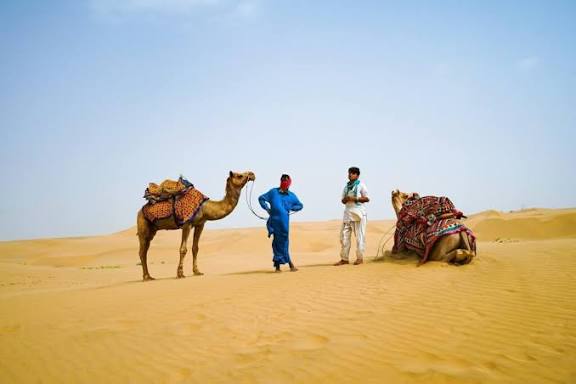
Camel safaris, jeep safaris, and dune activities in Jaisalmer's Sam or Khuri sand dunes are best experienced at sunrise or sunset. Not only does this avoid the harshest midday sun, it also delivers the golden desert light that makes for the best photographs of the trip.
15. Consider Combining Rajasthan With a Larger India Itinerary
Rajasthan pairs naturally with nearby destinations like Agra (for the Taj Mahal) and Delhi. If you're combining regions into one trip, working with an experienced operator for the full India private tour keeps logistics simple, since inter-state transport, permits, and guide coordination can otherwise become a hassle to manage independently.
16. Understand Entry Fees and Camera Charges Ahead of Time
Most major monuments in Rajasthan charge separate entry fees for Indian and foreign nationals, and many also levy an additional charge for cameras or video equipment. Budgeting a small daily amount specifically for entry tickets — especially if you're visiting multiple forts and palaces in a single city — helps avoid surprises and keeps your overall trip budget on track.
17. Be Prepared for Persistent but Generally Harmless Touting
Around popular tourist sites, it's common to be approached by touts offering guide services, shop visits, or "special deals" on everything from gemstones to camel rides. A polite but firm "no, thank you" is usually enough, and it rarely escalates beyond mild persistence, though it can feel overwhelming the first time you encounter it, particularly around Jaipur's major monuments. Sticking close to your guide or driver, if you have one, minimizes these interactions considerably, and most drivers are well practiced at gently steering unwanted attention away from their clients.
18. Pack Sun Protection Seriously
Rajasthan's sun is intense for most of the year, not just in summer. A wide-brimmed hat, high-SPF sunscreen, and good sunglasses are essential, particularly for desert excursions, camel safaris, and long periods spent walking around open fort complexes with little shade.
19. Try a Village or Rural Tourism Experience
Beyond the well-known cities, Rajasthan's rural areas offer a different, quieter side of the state — traditional Bishnoi villages near Jodhpur known for their deep-rooted wildlife conservation practices, pottery and block-printing workshops near Jaipur and Sanganer, or rural homestays that give a genuine glimpse into daily local life away from the tourist circuit. These experiences are often arranged as half-day or full-day trips through a local operator and are well worth building into a longer itinerary, both for the change of pace and for the more personal interactions they tend to offer compared to standard monument sightseeing.
20. Keep a Basic Health and Travel Kit Handy
A small kit with rehydration salts, basic pain relief, motion sickness tablets (given the long drives), antiseptic cream, and any personal prescriptions is worth packing, since pharmacies may not always be conveniently located in smaller towns or during long stretches of road travel between cities. It's also worth carrying a printed or digital note of any known allergies and blood group, particularly if traveling with elderly family members or young children.
21. Respect Local Customs Around Alcohol and Public Behavior
Rajasthan is a culturally conservative state in many areas, and public consumption of alcohol is restricted or frowned upon outside licensed hotels and restaurants. Dressing modestly and being mindful of local sensitivities, particularly in smaller towns and rural areas, generally results in a warmer reception from local communities.
22. Check the Festival Calendar Before You Travel
Rajasthan hosts several vibrant festivals throughout the year, including the Pushkar Camel Fair, the Jaipur Literature Festival, Gangaur, Teej, and the Desert Festival in Jaisalmer. The Pushkar Camel Fair in particular draws visitors from across the world for its mix of livestock trading, folk performances, and desert carnival atmosphere, while Gangaur and Teej offer a closer look at local religious traditions celebrated by women across Rajasthani households. Timing your visit around one of these events can add an unforgettable cultural dimension to your trip, but it also means hotels and transport should be booked well ahead due to the surge in demand, sometimes six months or more in advance for the most popular festival dates.
23. Budget Realistically for a Range of Experiences
Costs in Rajasthan can vary enormously depending on your choices — a simple guesthouse stay versus a heritage palace hotel, a shared jeep safari versus a private desert camp, or street food versus fine dining. Budget travelers can comfortably manage on a modest daily spend covering guesthouse accommodation, local meals, and public or shared transport, while mid-range travelers opting for boutique hotels and private cars should expect a noticeably higher daily outlay. Those chasing a genuine luxury experience, with palace-hotel stays and private guided experiences throughout, should budget significantly more per day, particularly during peak season when premium properties raise their rates. Setting a rough daily budget range in advance, with some flexibility built in for a splurge experience or two — perhaps one heritage hotel night or a hot air balloon ride — helps avoid either overspending or missing out on something memorable simply to save money.
24. Keep Digital and Physical Copies of Important Documents
Carrying photocopies or digital scans of your ID, hotel bookings, and any permits (required for certain border-area excursions near Jaisalmer) is a simple precaution that can save considerable time and stress if originals are misplaced during a long, multi-city trip.
25. Build in Buffer Days for Flexibility
Long drives, unpredictable weather, and the sheer richness of what there is to see mean that rigid, back-to-back itineraries can leave little room to breathe. Building in even one or two buffer days across a longer trip allows for spontaneous detours, extra time at a place you fall in love with, or simply rest before a long travel day.
Final Thoughts
A little preparation makes a significant difference in Rajasthan, where distances, climate, and cultural context all shape the overall travel experience. From packing smart and timing your fort visits to understanding local customs and budgeting realistically, these details add up to a far smoother journey. None of these tips require elaborate planning on their own, but together they change the character of a trip — turning a rushed, reactive itinerary into a relaxed, well-paced journey where you actually have the time and energy to appreciate what you're seeing. Rajasthan rewards travelers who slow down enough to notice the details: the carved sandstone jaali screens catching afternoon light, the smell of spices in a Jodhpur market, or the quiet of a desert dune just before sunrise. With the right pacing, planning, and local support, a trip through Rajasthan's forts, deserts, and palaces can go from good to genuinely unforgettable, and these 25 tips should give you a solid, practical foundation to build that trip around.

